- Wise Words Weekly
- Posts
- Robert Kiyosaki's Wise Words On Making Mistakes
Robert Kiyosaki's Wise Words On Making Mistakes
📈Your Path to Constant Progress & Improvement

Grant Shay
July 15, 2025
A powerful quote, a simple action, and a spark to ensure your continued progress—welcome to Wise Words Weekly!
🤔Every week, we disect, investigate, and unpack a wisdom-packed quote from a wise, successful, and inspirational person. We explore many different self-development topics such as your Personal Growth, Mindset, Well-Being, Relationships, Leadership, and Gratitude. The Wise Words Weekly newsletter is designed to spark your continued progress, one small step at a time. 📈 None of this content should be construed as any type of investment or other professional advice. If you like quotes as much as we do, you may enjoy our Wise Words YouTube channel, too. Click here to check it out.
This week, we’re diving into Mindset.
🔥Quote of the Week:
“In the real world, the smartest people are people who make mistakes and learn. In school, the smartest people don't make mistakes.” - Robert Kiyosaki

🤔Reflection:
This fantastic Robert Kiyosaki quote flips a traditional mindset on its head. In school, we’re often conditioned to chase perfection, straight A’s, flawless test scores, and error-free work define “smart.” But life outside the classroom tells a different story. Mistakes are inevitable, and the real measure of intelligence lies in how we respond to them. Think about your own journey: when did you learn the most? Was it from a perfect moment or a messy one where you stumbled, reflected, and grew?
This perspective invites us to reframe failure as a teacher, not a verdict. It challenges the fear of getting things wrong and encourages us to see missteps as stepping stones. In the real world, success isn’t about avoiding errors; it’s about adapting, iterating, and building resilience. An unbreakable mindset. Whether you’re launching a business, navigating a career pivot, or tackling a personal goal, the ability to learn from mistakes is what sets you apart. And, it gives you a leg up on life because most people don’t or can’t do this.

Kiyosaki’s words remind us that intelligence isn’t static—it’s dynamic. It’s not about what you know today but how you grow tomorrow. Embracing mistakes as part of the learning process frees us from the paralysis of perfectionism and opens the door to endless possibilities. So, let’s pause: what’s one mistake you’ve made recently, and what did it teach you? That lesson might just be the spark for your next big breakthrough.
This week, we reflect on how we can shift our mindset to see mistakes not as setbacks but as opportunities to evolve. The real world rewards those who dare to try, fail, and try again. Are you ready to lean into that kind of courage?

🏆Why This Can Be Your Superpower
Embracing mistakes as a learning tool is like unlocking a hidden superpower—it gives you the confidence to take big but well-calculated risks and the resilience to bounce back even stronger. In a world that often glorifies perfection, the ability to fail gracefully and learn quickly sets you apart. Imagine approaching every challenge without the fear of “what if I mess up?” Instead, you ask, “What can I learn?” This mindset turns obstacles into opportunities and transforms you into a problem-solver who thrives under pressure.

This superpower also builds adaptability, a critical skill in today’s fast-changing world. Whether it’s a career shift, a new technology, or an unexpected life curveball, those who learn from mistakes can pivot with ease. They don’t dwell on what went wrong; they mine it for insights and move forward. This agility makes you not just smarter but also more innovative—because every misstep is a chance to refine your approach.
Moreover, embracing mistakes fosters authentic leadership and connection. When you’re open about your failures, you inspire others to take risks and grow, too. It creates a culture of trust and experimentation, whether in a workplace, a family, or a community. By owning your mistakes and sharing the lessons, you become a beacon for others to follow. Your superpower isn’t just personal—it’s contagious.
Finally, this approach fuels lifelong growth. Unlike the fixed mindset of “I must not fail,” a learning-from-mistakes mindset keeps you curious and open. It’s the key to staying relevant, creative, and fulfilled, no matter your age or stage of life. So, why not claim this superpower today? Your next mistake could be the catalyst for your greatest success.

🔬The Science Behind It
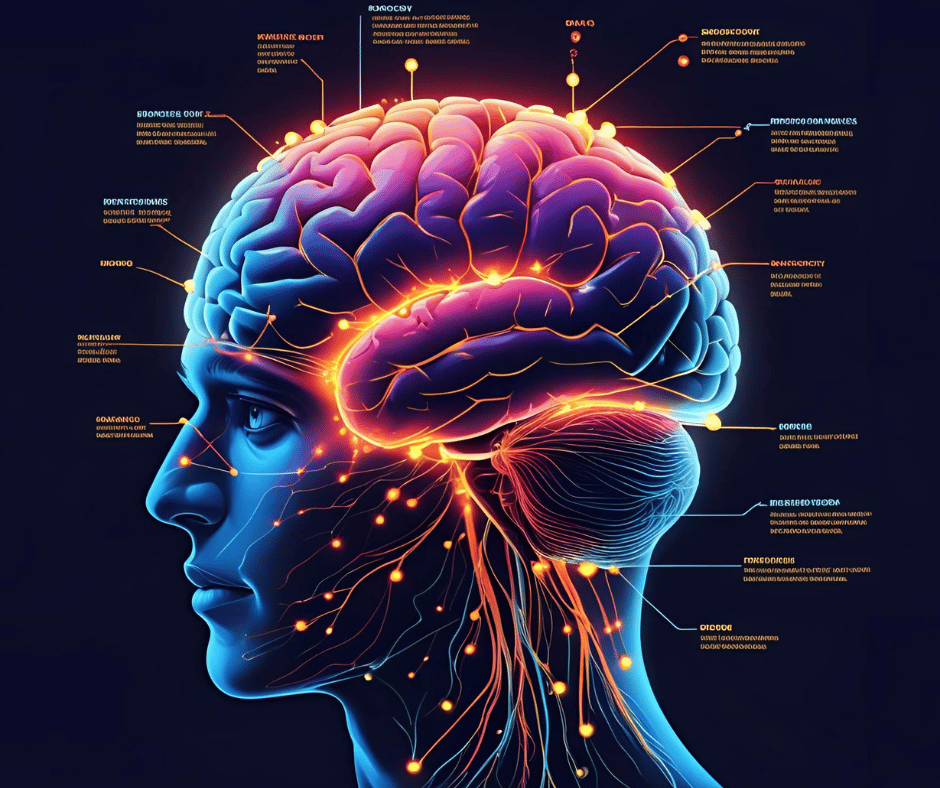
Neuroscience backs up Kiyosaki’s wisdom: mistakes are a critical part of how our brains learn. When we make an error, our brain lights up in a way it doesn’t when we get something right. Studies show that the brain’s error-detection system, centered in the anterior cingulate cortex, triggers a response that heightens attention and primes us for learning. This “oops” moment creates a window of opportunity where we’re more likely to retain new information and adjust our approach. In short, mistakes make us smarter by forcing our brains to pay attention and adapt.
Research on growth mindset, pioneered by psychologist Carol Dweck, further explains why learning from mistakes is so powerful. People with a growth mindset—those who believe abilities can be developed through effort—see mistakes as feedback, not failure. This perspective activates the brain’s reward system, releasing dopamine when we learn from errors, which motivates us to keep trying. In contrast, a fixed mindset, common in perfectionist school environments, shuts down learning by tying self-worth to error-free performance.
Cognitive science also highlights the role of “desirable difficulties,” a concept from researcher Robert Bjork. When we struggle or make mistakes, we engage in deeper processing, which leads to better long-term retention and problem-solving skills. For example, a 2014 study found that students who made errors while learning math concepts outperformed those who didn’t, because the struggle forced them to grapple with the material more deeply.
Finally, mistakes build resilience through a process called stress inoculation. Each time we fail and recover, we strengthen neural pathways that help us handle future setbacks. This is why seasoned entrepreneurs or athletes often credit their failures for their success—they’ve wired their brains to learn, adapt, and thrive under pressure. The science is clear: mistakes aren’t just okay—they’re essential for growth.

🧬Stories That Bring It to Life
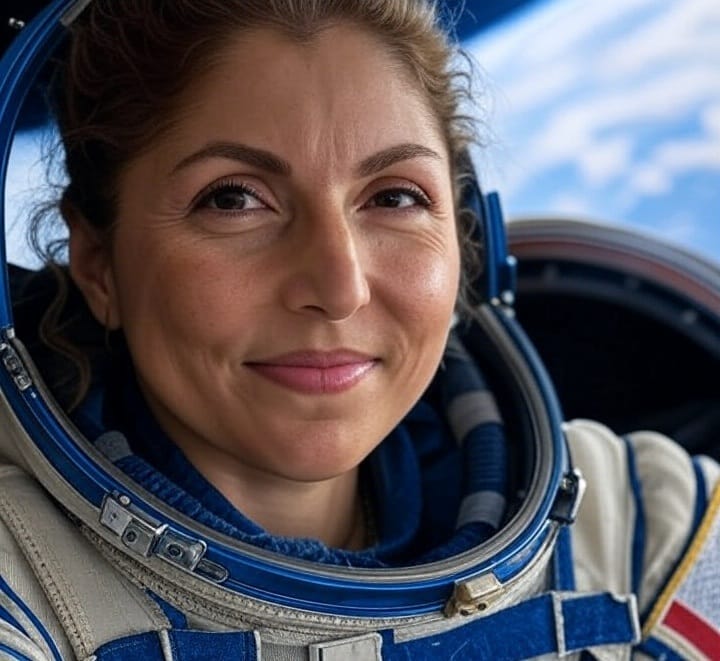
Take Anousheh Ansari, the first Iranian-American woman to travel to space. Before her historic 2006 trip to the International Space Station, Ansari co-founded a telecom company in the 1990s. Early on, she and her team made a critical error by overpromising on a product delivery timeline to secure a major client, only to miss the deadline due to technical setbacks. The client nearly walked away, and the mistake threatened the company’s reputation. Instead of deflecting blame, Ansari owned the error, personally apologized, and worked tirelessly with her team to deliver an improved product. The client stayed, and the experience taught her the value of transparent communication and realistic planning. This lesson in humility and accountability fueled her later success as an entrepreneur and her bold pursuit of space exploration, proving that mistakes can be a launchpad for extraordinary achievements.
Then there’s José Andrés, the world-renowned chef and humanitarian. In the early days of his culinary career in the United States, Andrés opened a restaurant with an ambitious menu that stretched his team too thin. The execution faltered, dishes were inconsistent, and customer reviews tanked, putting the restaurant at risk. Rather than doubling down on his vision, Andrés reflected on the feedback, simplified the menu, and focused on quality over quantity. The restaurant rebounded, earning critical acclaim. This mistake taught him the importance of listening to customers and adapting to reality rather than chasing perfection. Years later, this same adaptability drove his founding of World Central Kitchen, where he’s fed millions in crisis zones by quickly learning from logistical errors on the ground. Andrés’ story shows how a single misstep can refine your focus and amplify your impact.
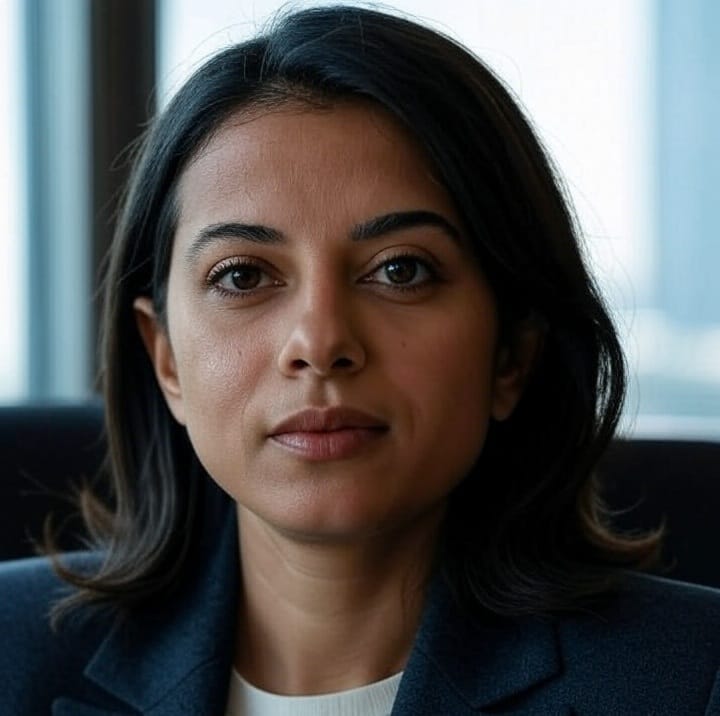
Consider Reshma Saujani, the founder of Girls Who Code. In 2010, Saujani ran for Congress in New York and lost spectacularly, receiving only 19% of the vote. The campaign was riddled with mistakes: she misjudged her audience, spread her resources too thin, and failed to connect authentically with voters. Devastated but determined, Saujani analyzed her missteps and realized she’d been playing it safe, avoiding bold risks. This epiphany led her to found Girls Who Code in 2012, a nonprofit that’s since empowered millions of young women to pursue tech careers. By embracing her electoral failure as a lesson in courage and focus, Saujani turned a public setback into a movement that’s reshaping the tech industry. Her story underscores that even the most visible mistakes can spark transformative change.
Finally, there’s Kevin Systrom, co-founder of Instagram. In 2010, Systrom launched a location-based app called Burbn, but it flopped due to a cluttered interface and lack of user engagement. Instead of giving up, Systrom and his team dissected the failure, discovering that users loved one feature: photo-sharing. They pivoted, stripped down the app, and relaunched it as Instagram, which sold to Facebook for $1 billion just two years later. Systrom’s willingness to admit Burbn’s shortcomings and learn from user behavior turned a failed idea into a cultural phenomenon. His journey highlights how mistakes can reveal the seeds of innovation if you’re open to rethinking your approach.
These stories—from a space traveler, a chef, a nonprofit founder, and a tech innovator—illustrate that mistakes are not the end but the beginning of growth. Each person faced a setback, owned it, and used the lesson to pivot toward something greater. Their journeys remind us that in the real world, it’s not about avoiding errors but about what you do with them. What mistake in your life could be the start of your next big story?

🏃♂️How to Start Today
Begin by reframing how you view mistakes. Instead of seeing them as failures, label them as “learning moments.” Start small: the next time something goes wrong—a missed deadline, a botched recipe, a fumbled conversation—pause and ask, “What can I learn here?” Write down one takeaway and one action you’ll take differently next time. This simple habit trains your brain to see mistakes as opportunities.

Next, practice self-compassion. Research shows that beating yourself up over errors shuts down learning, while kindness opens it up. When you mess up, talk to yourself as you would a friend: “It’s okay, this happens. Let’s figure out what’s next.” This reduces the fear of failure and makes you more likely to take risks. Try journaling about a recent mistake with this compassionate lens to see how it shifts your perspective.
Seek feedback actively. After a misstep, ask a trusted colleague, friend, or mentor for their perspective. For example, if a presentation didn’t land, ask, “What could I improve next time?” This not only accelerates your learning but also normalizes mistakes as part of growth. Make it a goal to seek feedback on one mistake this week.
Finally, take one calculated risk today. It could be pitching an idea at work, trying a new skill, or having a tough conversation. The goal isn’t to succeed but to act, knowing that any outcome—success or mistake—will teach you something. Start with a low-stakes risk to build confidence, and track what you learn. Over time, these small steps will make embracing mistakes second nature.

🎇A Challenge to Spark Change
This week, embrace the “Fail Forward Challenge.” Your mission is to make one intentional mistake—or take one risk where a mistake is possible—and learn from it. It could be trying a new recipe you’re unsure about, proposing a bold idea in a meeting, or tackling a skill you’ve never tried, like public speaking or coding. The catch? You must reflect on the outcome, whether it’s a win or a flop.

Here’s how it works: Choose your risk by Monday. Write down what you’ll try and why it feels risky.
Act on it by Wednesday. Don’t overthink—just do it.
By Friday, journal or share with a friend: What happened? What did you learn? How will you apply it?
Bonus: Post your experience on X with #FailForwardChallenge to inspire others (and tag us!).
The goal isn’t to fail but to normalize the possibility of it. By taking action and reflecting, you’ll build the muscle of learning from mistakes. Share your story with a friend or online to hold yourself accountable. Who knows? Your “mistake” might lead to a breakthrough—or at least a great story.

📖 📙A Great Book (Or Several) To Read On This Topic:
The quote this weeks newsletter was written around came from the best-selling banger, RIch Dad, Poor Dad by Robert Kiyosaki. It is a must-read. Kiyosaki has written dozens of books and I have read most of them. I highly recommend them all. They will teach life-changing concepts just like the one we have explored today.

In addition to Kiyosaki’s books, he offers a free, online game on his website that he calls Cashflow (IYou can also buy the boardgame version on his website, too). I have been playing Cashflow both online and offline for 25 years. It has taught me concepts that I have used in real life to be able to retire earlier than most. I still play it today. 1) Because I enjoy it. And, 2) because, “we don’t know what we don’t know.”
For another powerful exploration of learning from mistakes, dive into Awaken the Giant Within by Tony Robbins. This transformative book unpacks how to harness your mental, emotional, and physical potential by taking control of your decisions and reframing setbacks. Robbins argues that mistakes are not failures but “results” that provide critical feedback for growth. He emphasizes that success comes from taking massive action, learning from what doesn’t work, and adjusting your approach—a mindset that echoes Kiyosaki’s wisdom about real-world intelligence. Through practical tools like Neuro-Linguistic Programming (NLP) and his “Ultimate Success Formula,” Robbins shows how to turn missteps into momentum.
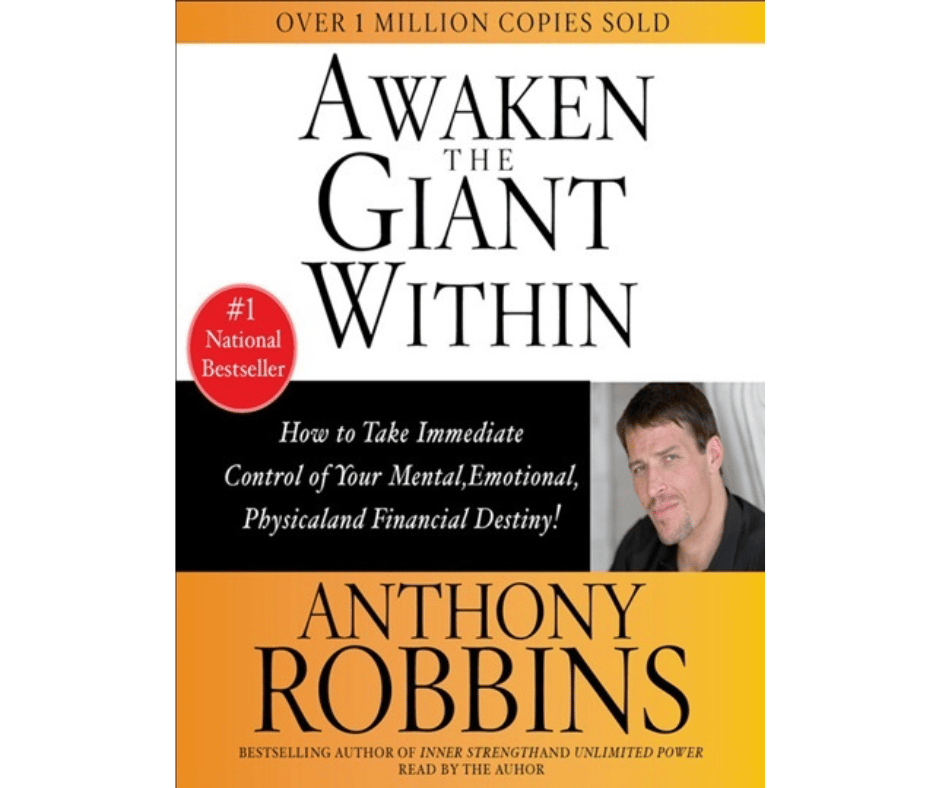
Both of these books are available at bookstores, libraries, or online retailers like Amazon, and as an audiobook on platforms like Audible for those who prefer listening. These books are roadmaps for turning errors into empowerment, proving that the smartest people are those who learn from their stumbles.

🗣️Let’s Connect:
What’s something new you’re working on? Share it on 𝕏! @WiseWordsIQ
I’d love to hear your story and cheer you on!
🤔What’s Next?
Next week, expect another dose of wisdom (maybe we will touch on Leadership or Gratitude?) to keep your momentum going. Stay tuned for exclusive insights you won’t find on my X feed!
Here’s to your constant progress!
Your friend,
Grant
Find me on 𝕏: @WiseWordsIQ
P.S. Want to dive deeper into learning? Check out Mindset by Carol Dweck—a game-changer for growth!
P.P.S. 🔥Want to unlock the secret to a WINNING MINDSET?!💡 Like building muscle💪, you can train your brain🧠—but only if you know how.
Most people stumble through life, totally unaware their subconscious is silently sabotaging them. Limiting beliefs and habits they are completely unaware of are holding them back from living an absolutely fantastic life full of everything they want and deserve! ✨💰💫
The Winning Mindset Formula shows you how to spot these invisible shackles, shatter them, and step into your power.💪
Act now! Your breakthrough awaits!🚀👇
