- Wise Words Weekly
- Posts
- Henry Ford's Wise Words On Your Mindset
Henry Ford's Wise Words On Your Mindset
📈Your Path to Constant Progress & Improvement

Grant Shay
July 01, 2025
A powerful quote, a simple action, and a spark to ensure your continued progress—welcome to Wise Words Weekly!
🤔Every week, we disect, investigate, and unpack a wisdom-packed quote from a wise, successful, and inspirational person. We explore many different self-development topics such as your Personal Growth, Mindset, Well-Being, Relationships, Leadership, and Gratitude. The Wise Words Weekly newsletter is designed to spark your continued progress, one small step at a time. 📈 None of this content should be construed as any type of investment or other professional advice. If you like quotes as much as we do, you may enjoy our Wise Words YouTube channel, too. Click here to check it out.
This week, we’re diving into Mindset.
🔥Quote of the Week:
“Whether you think you can or you can't, you're right.”
-Henry Ford

🤔Reflection:
This has always been one of my favorite quotes! Henry Ford’s words cut straight to the heart of how our mindset shapes our reality. Believing in your ability to succeed doesn’t just motivate you, it actively influences the choices you make, the risks you take, and the resilience you show when faced with setbacks. Think about a time when you doubted yourself. Did that hesitation hold you back from trying something new or pushing harder? Now contrast that with a moment when you felt unstoppable. Chances are, your confidence fueled action and opened doors.
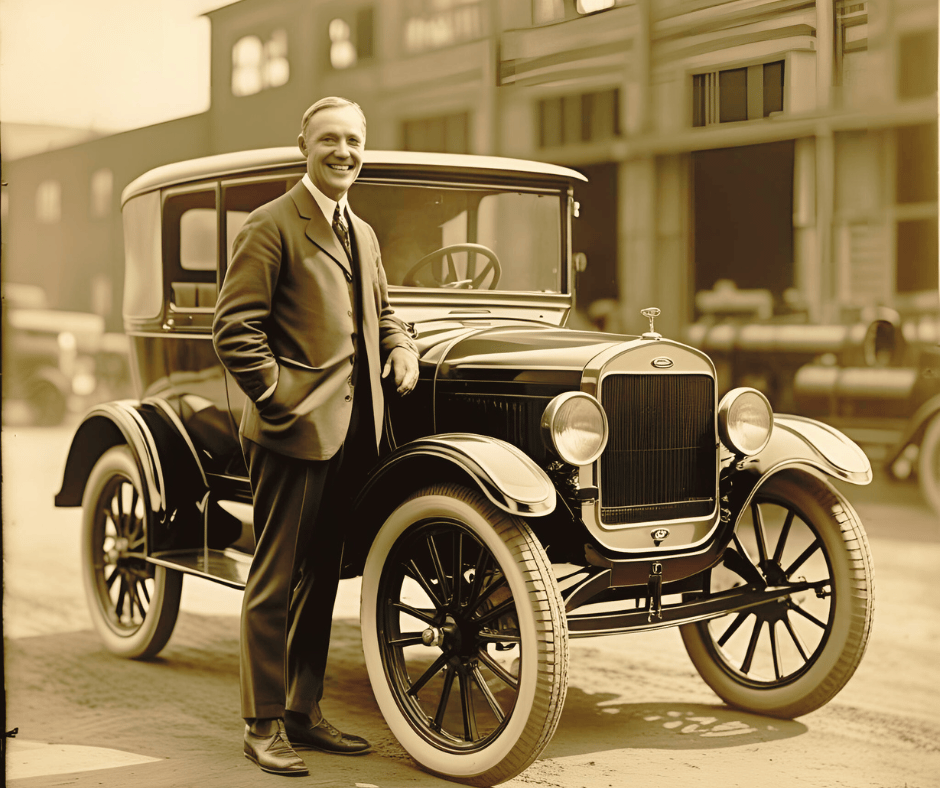
This quote reminds us that our thoughts aren’t just fleeting ideas; they’re powerful filters through which we view the world. A “can’t” mindset builds walls, while a “can” mindset builds bridges. It’s not about ignoring challenges or pretending everything is easy, it’s about choosing to focus on possibility over limitation. Reflect on where your mindset is right now. Are you leaning toward “can” or “can’t” in your current goals?
The beauty of this idea is its simplicity. You don’t need new skills or resources to shift your thinking—just awareness and intention. Ford’s insight challenges us to take responsibility for the stories we tell ourselves. This week, let’s explore how this self-fulfilling prophecy can become a tool for transformation.

🏆Why This Can Be Your Superpower
Your mindset is like an invisible force field—it shapes how you approach problems, interact with others, and bounce back from failure. When you believe you can, you’re more likely to take action, persist through obstacles, and inspire those around you. This isn’t just motivational fluff; it’s a practical superpower that can unlock opportunities in every area of life, from career growth to personal relationships. Imagine walking into a tough situation with the conviction that you’ll figure it out. That confidence alone can change the outcome.

A “can” mindset also makes you more adaptable. Challenges become puzzles to solve, not roadblocks to fear. You start seeing setbacks as feedback rather than proof of failure, which means you’re more likely to keep going when others give up. This resilience compounds over time, turning small wins into big breakthroughs. Plus, it’s contagious—your belief in yourself can spark confidence in your team, friends, and family.
What’s more, this superpower doesn’t require permission or perfection. You don’t have to be the smartest or most experienced person in the room to believe in your potential. By choosing to think you can, you set in motion a cycle of action, learning, and growth that makes success not just possible, but probable. It’s a self-fulfilling prophecy you control.

🔬The Science Behind Learning
The idea that your beliefs shape your outcomes has roots in psychology, particularly in the concept of self-efficacy, pioneered by psychologist Albert Bandura. Self-efficacy is your belief in your ability to succeed in specific situations. Studies show that people with high self-efficacy are more likely to set challenging goals, persist through difficulties, and recover quickly from setbacks. This aligns with Ford’s quote: if you think you can, you’re more likely to act in ways that make it true.

Neuroscience backs this up. When you adopt a positive, possibility-focused mindset, your brain releases dopamine, a neurotransmitter tied to motivation and reward. This chemical boost makes you more likely to take action and feel good about it, creating a feedback loop that reinforces your belief. Conversely, a “can’t” mindset triggers stress responses, like cortisol release, which can cloud judgment and sap energy. Your thoughts literally rewire your brain over time through neuroplasticity, strengthening pathways that align with your dominant beliefs.
Research also points to the Pygmalion effect, where expectations influence performance. In a famous 1960s study, teachers were told certain students were “gifted” (though they were chosen randomly). Those students ended up performing better, largely because the teachers’ belief in them led to more encouragement and opportunities. Think about that for a minute. One person (YOU!) have the ability to change lives for the better simply by helping someone wrench a little on their mindset. That’s HUGE!
Your self-expectations work the same way. If you think you can, you’ll unconsciously seek out ways to prove yourself right.

🧬Stories That Bring It to Life
In 1954, Roger Bannister did the unthinkable: he broke the four-minute mile, a barrier long believed to be physically impossible. Experts claimed the human body couldn’t withstand the strain, and runners worldwide had fallen short for decades. But Bannister, a medical student with a fierce “I can” mindset, refused to accept the limit. Training in his spare time and visualizing success, he ran 3:59.4 at Oxford’s Iffley Road track on May 6, 1954. His belief didn’t just shatter a record—it rewrote what humanity thought possible, inspiring countless others to push beyond their own limits.

When Elon Musk set out to make space travel more affordable through reusable rockets, the idea was met with skepticism from the aerospace industry. Experts argued that rockets were inherently single-use, and even NASA’s attempts at reusability had fallen short. Undeterred, Musk’s unwavering “I can” mindset drove SpaceX to innovate relentlessly. After multiple failed tests and near financial ruin, SpaceX achieved a historic milestone in December 2015, landing the Falcon 9’s first stage upright after launching a payload into orbit. Musk’s belief in what others deemed impossible revolutionized space exploration, proving that a determined mind can redefine an industry.
Then there’s Thomas Edison, a peer of Henry Ford. Edison faced thousands of failed experiments while inventing the lightbulb, but he famously said he hadn’t failed—he’d just found 10,000 ways that didn’t work. His relentless belief that he could solve the problem drove him to keep trying, ultimately changing the world. His story reminds us that a “can” mindset isn’t about instant success; it’s about staying in the game.

🏃♂️How to Start Today
Shifting to a “can” mindset begins with small, intentional steps. First, catch yourself in moments of self-doubt. When you think, “I can’t do this,” pause and reframe it: “I can figure this out” or “I can take one step forward.” This simple mental rephrasing primes your brain to look for solutions rather than excuses. Write down one goal you’ve been avoiding due to doubt, and list three tiny actions you can take toward it today.
Next, surround yourself with positive influences. Listen to a podcast, read a book, or connect with someone who embodies a “can” mindset. Their energy will rub off, reinforcing your own belief in what’s possible. Visualization is another powerful tool—spend five minutes picturing yourself succeeding in a specific task. This mental rehearsal builds confidence and makes action feel more natural.
Finally, celebrate progress, no matter how small. Did you try something new? Learn from a mistake? Keep going despite fear? Those are wins. Track them in a journal to remind yourself that you’re capable of more than you think. Starting today, choose one of these practices and commit to it for a week. You’ll be amazed at how quickly your mindset begins to shift and more positive things begin to occur in your life.

🎇A Challenge to Spark Change
This week, take on the “One Can” Challenge. Identify one area of your life where you’ve been stuck in a “can’t” mindset—maybe it’s a work project, a fitness goal, or a tough conversation. Write down the limiting belief holding you back (e.g., “I can’t speak confidently in meetings”). Then, flip it into a “can” statement (e.g., “I can share one idea in the next meeting”).
Take one concrete action to prove your “can” statement true. It doesn’t have to be perfect—just do something. For example, if your goal is to get fit but you think, “I can’t stick to a workout,” commit to a 10-minute walk today and say, “I can move my body.” Track your action and how it feels in a notebook or app.
Share your experience with a friend or on social media (tag @WiseWordsIQ on 𝕏!) to stay accountable. By the end of the week, reflect on how this small shift in belief changed your approach. The goal isn’t to overhaul your life—it’s to prove to yourself that thinking “I can” opens doors you didn’t even know were there.

📖 📙A Great Book To Read On This Topic":
For a deep dive into the power of mindset, pick up Mindset: The New Psychology of Success by Carol S. Dweck. Dweck, a renowned psychologist, introduces the concept of fixed vs. growth mindsets. A fixed mindset assumes your abilities are static (aligned with “I can’t”), while a growth mindset embraces challenges as opportunities to learn (aligned with “I can”).
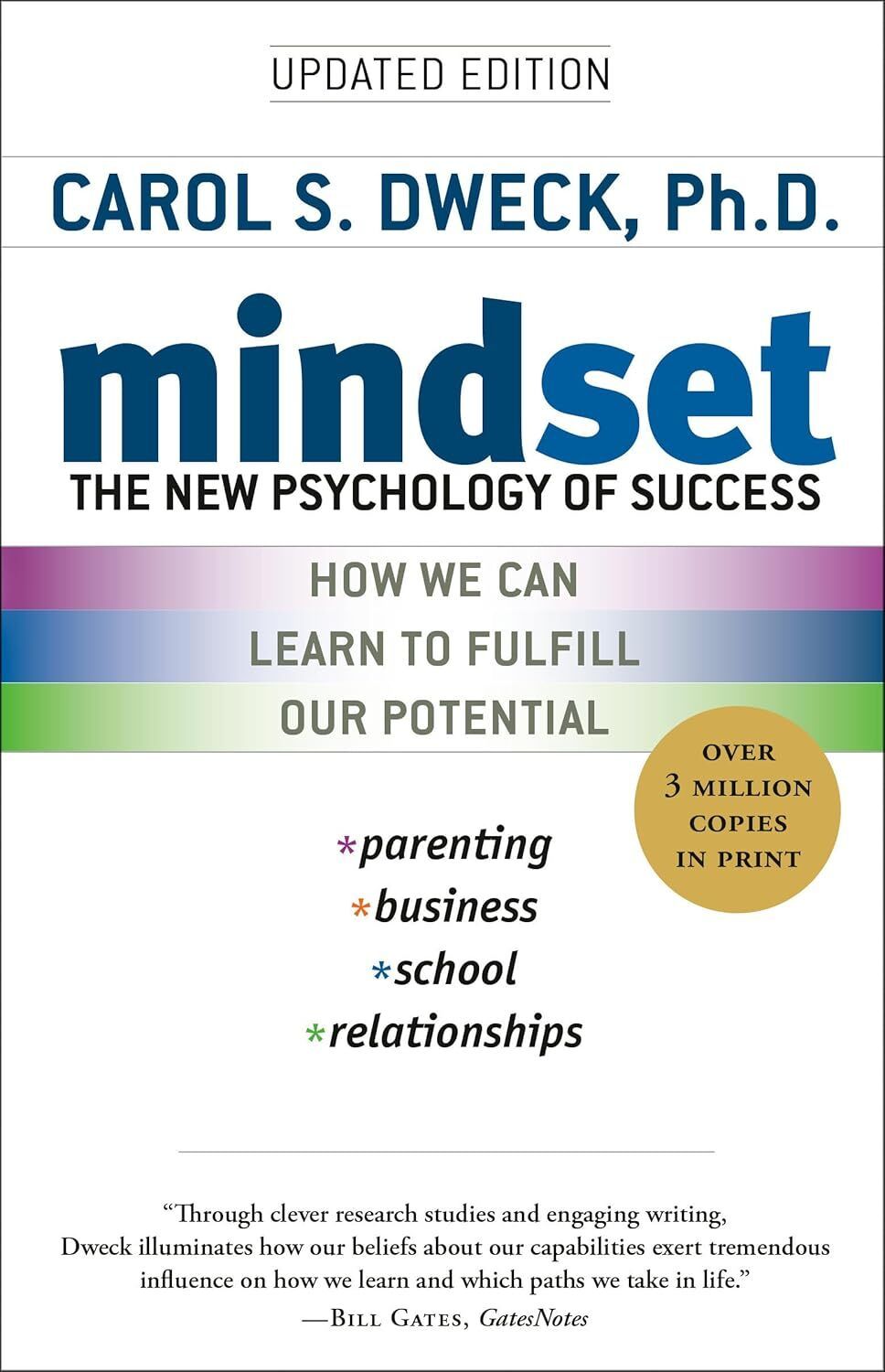
Through engaging stories and research, Dweck shows how a growth mindset can transform your approach to work, relationships, and personal growth. She offers practical strategies for cultivating this mindset, like reframing failures as learning opportunities and seeking feedback over praise. It’s a perfect companion to Ford’s quote, showing how your beliefs about your potential shape your reality.
The book is accessible yet profound, with actionable insights you can apply immediately. Whether you’re new to the idea of mindset or looking to deepen your understanding, Mindset will inspire you to believe you can—and act on it. Grab a copy, and let it fuel your journey this week.
If you don’t have the time to read a book, try listening to it on Audible.

🗣️Let’s Connect:
What’s something new you’re working on? Share it on 𝕏! @WiseWordsIQ
I’d love to hear your story and cheer you on!
🤔What’s Next?
Next week, expect another dose of wisdom (maybe we will touch on Leadership or Gratitude?) to keep your momentum going. Stay tuned for exclusive insights you won’t find on my X feed!
Here’s to your constant progress!
Your friend,
Grant
Find me on 𝕏: @WiseWordsIQ
P.S. Want to dive deeper into learning? Check out Mindset by Carol Dweck—a game-changer for growth!
P.P.S. 🔥Want to unlock the secret to a WINNING MINDSET?!💡 Like building muscle💪, you can train your brain🧠—but only if you know how.
Most people stumble through life, totally unaware their subconscious is silently sabotaging them. Limiting beliefs and habits they are completely unaware of are holding them back from living an absolutely fantastic life full of everything they want and deserve! ✨💰💫
The Winning Mindset Formula shows you how to spot these invisible shackles, shatter them, and step into your power.💪
Act now! Your breakthrough awaits!🚀👇
