- Wise Words Weekly
- Posts
- Aristotle's Wise Words On Excellence
Aristotle's Wise Words On Excellence
📈Your Path to Constant Progress & Improvement

Grant
April 22, 2025
A powerful quote, a simple action, and a spark to ensure your continued progress—welcome to Wise Words Weekly!
🤔Every week, we disect, investigate, and unpack a wisdom-packed quote from a wise, successful, and inspirational person. We explore many different self-development topics such as your Personal Growth, Mindset, Well-Being, Relationships, Leadership, and Gratitude. The Wise Words Weekly newsletter is designed to spark your continued progress, one small step at a time. 📈 None of this content should be construed as any type of investment or other professional advice. If you like quotes as much as we do, you may enjoy our Wise Words YouTube channel, too. Click here to check it out.
This week, we’re diving into Personal Growth.
🔥Quote of the Week:
“We are what we repeatedly do. Excellence, then, is not an act, but a habit.”
—Aristotle

🤔Reflection:
Imagine a sculptor chiseling away at a block of marble. Each strike seems insignificant, barely a dent in the stone. Yet, over time, those tiny, deliberate taps reveal a masterpiece. That’s what Aristotle’s words remind us about life: we are shaped not by grand gestures, but by the small, repeated actions we take every day.
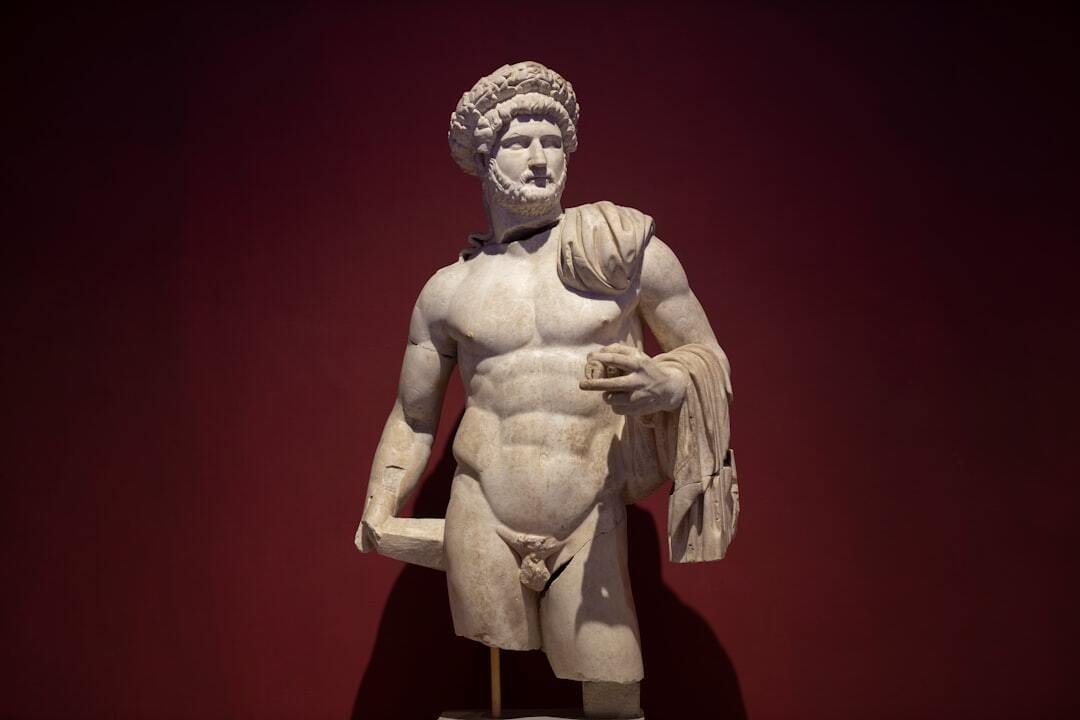
This quote hit me like a lightning bolt when I realized how much my daily choices were carving the contours of my future. In years gone by, I was stuck in a cycle of dreaming big but doing little. I’d set lofty goals like writing a book, getting fit, mastering a new skill, only to fizzle out after a burst of enthusiasm. I’d tell myself, “I’ll start again tomorrow,” or “I’ll do it when I’m ready.” But tomorrow became next week, and next week became never.
Sound familiar?
Now, enter the concept of micro-habits. This one simple mindset change can and will change your perspective. I stopped aiming for perfection and started focusing on consistency. Instead of vowing to read an entire book in a weekend, I committed to five pages a day. Instead of promising myself I’d journal for an hour, I wrote one sentence of gratitude each night. At first, it felt almost laughably small, like those chisel taps on the marble. But within weeks, I noticed something incredible: those tiny actions were stacking up. Five pages a day could become a book a month. One sentence of gratitude would become a notebook filled with moments of joy. I wasn’t just dreaming anymore, I was becoming.

🏆Why Excellence Is a Habit, Not a Trophy
Aristotle’s wisdom cuts through the noise of our instant-gratification culture. We’re bombarded with stories of overnight successes—people who seem to leap from obscurity to brilliance in a single bound. But the truth? Those “sudden” wins are almost always the result of years of quiet, consistent effort. Excellence isn’t a one-time act you check off your to-do list; it’s a way of being, woven into the fabric of your daily life.

Think about someone you admire—a musician who plays effortlessly, an athlete who dominates their sport, or a colleague who always seems to nail their projects. Their brilliance didn’t appear out of nowhere. That musician practiced scales for hours while others scrolled social media. That athlete woke up at dawn to train when others hit snooze. That colleague refined their skills through countless small decisions—staying late to polish a presentation, asking for feedback, reading one more article to stay sharp. Malcolm Gladwell tells us it takes 10,000 hours to become great in anything.
The beauty of Aristotle’s insight is that it democratizes excellence. You don’t need superhuman talent or endless resources. You just need the courage to show up, day after day, and do the small things that move you forward. Over time, those efforts compound, like interest in a savings account, transforming your dreams into reality.

🔬The Science Behind Habits
If you’re wondering why small habits work so well, let’s peek at the science. Our brains are wired to reward repetition. Every time you repeat an action, you strengthen neural pathways, making that behavior easier to do next time. This is why habits feel effortless once they’re ingrained—your brain is literally on autopilot. Studies, like those by psychologist B.J. Fogg, show that starting with tiny behaviors (like flossing one tooth or doing one push-up) bypasses the resistance we feel toward big changes. These micro-actions build momentum, creating a ripple effect that reshapes your life.

But here’s the flip side: habits work both ways. Just as positive actions compound, so do negative ones. Binge-watching shows instead of working on your goals? Skipping workouts for weeks? Those choices aren’t just moments—they’re votes for who you’re becoming. Aristotle’s point is clear: you are what you repeatedly do. The question is, are you voting for the person you want to be?

🧬Stories That Bring It to Life
Let’s ground this in real stories that spark inspiration. Consider J.K. Rowling, who wrote Harry Potter while juggling a job, single motherhood, and financial struggles. She didn’t have hours to write—she had fragments of time, stolen in coffee shops or late at night. But she showed up, day after day, scribbling scenes that eventually enchanted the world. Her excellence wasn’t a single burst of genius; it was a habit of persistence.

Or take my friend Toni, who transformed her health after years of feeling stuck. Instead of crash diets or grueling gym sessions, she started with one small habit: drinking a glass of water first thing every morning. That led to walking 10 minutes a day, then choosing healthier snacks. A year later, she’d lost 50 pounds and felt more alive than ever—not because she overhauled her life overnight, but because she built it one choice at a time.

🏃♂️How to Start Today
So, how do you harness this idea to grow into the person you want to be? Here’s a simple roadmap to make Aristotle’s wisdom actionable:
Pick One Tiny Habit
Choose something so small it feels ridiculous—like writing one sentence, doing two minutes of stretching, or reading one paragraph. The goal is to make it impossible to fail. Want to learn a language? Try one new word a day. Want to get organized? Tidy one drawer. Small wins build confidence and momentum.Anchor It to Your Day
Tie your habit to an existing routine to make it stick. For example, “After I brush my teeth, I’ll write one gratitude sentence.” This piggybacks on habits you already have, making the new one feel natural.Track Your Progress
Use a simple tracker—like a calendar where you mark an X each day you do your habit. Jerry Seinfeld famously used this method to write jokes daily, and it works because seeing your streak grow is addictive. Apps like Habitica or Streaks can add a fun twist.Celebrate the Wins
Your brain loves rewards, so celebrate even the tiniest victories. Did your five pages today? Say, “I’m awesome!” or treat yourself to a favorite song. These micro-celebrations wire your brain to crave the habit.Be Kind to Yourself
You’ll slip up—everyone does. The key is to avoid the “all-or-nothing” trap. Miss a day? Don’t ditch the habit; just jump back in. Progress, not perfection, is the goal.

🎇A Challenge to Spark Change
Here’s my challenge to you: What’s one small habit you’d start today to grow into the person you want to be? Maybe it’s meditating for one minute to find calm, calling a loved one weekly to nurture relationships, or sketching one doodle a day to unleash your creativity. Whatever it is, make it tiny, make it yours, and start now—not tomorrow, not next week, but today.

When I began my journey with micro-habits, I chose to write one sentence of gratitude each night. It felt trivial at first, but over months, it rewired my mindset. I started noticing joy in small moments—a stranger’s smile, a warm cup of coffee, the way sunlight hit my window. That one habit didn’t just make me happier; it made me someone who chooses to see the good. What could your habit do for you?

🎮The Long Game of Excellence
Aristotle’s words are a call to play the long game. Excellence isn’t a sprint; it’s a lifelong dance of small steps, missteps, and course corrections. Every time you choose to act—however small—you’re chiseling away at the marble, revealing the masterpiece within you. The best part? You don’t need to wait for a perfect moment or a bolt of inspiration. You already have everything you need to start: the power to choose, right now, what you’ll repeatedly do.

So, take a deep breath, pick your one small habit, and begin. A year from now, you’ll look back and marvel at how far those tiny steps have taken you. Excellence isn’t out of reach—it’s waiting in the habits you build today.

💪Your Action:
Pick one micro-habit to try this week. It could be drinking a glass of water first thing in the morning, jotting down a quick goal, or pausing for a deep breath when stressed. Keep it simple—under five minutes—and do it daily. Track how it feels by Sunday, and you’ll see progress already unfolding.

🗣️Let’s Connect:
What’s a habit you’re thinking of trying? Share it on 𝕏! @WiseWordsIQ —I’d love to hear your story and cheer you on!
🤔What’s Next?
Next week, expect another dose of wisdom (maybe we will touch on Mindset or Gratitude?) to keep your momentum going. Stay tuned for exclusive insights you won’t find on my X feed!
Here’s to your constant progress!
Your friend,
Grant
Find me on 𝕏: @WiseWordsIQ
P.S. Want to dive deeper into growth? Check out Atomic Habits by James Clear (a book that has changed the lives of thousands!).
P.P.S.